
Many players notice that the same online slot appears to move at a different pace depending on the device they use. While the game's mechanics remain unchanged, factors such as screen size, interface design, and user interaction can create the impression of faster gameplay. At Lord Ping, understanding these differences helps players make informed choices about how they enjoy their favourite games.
The Game Doesn't Change, Your Experience Does
A common question among players is whether a slot machine behaves differently on a mobile phone than it does on a desktop computer.
The straightforward answer is no.
When you play the same title from the same licensed operator, the game's mathematics, Return to Player (RTP), volatility and Random Number Generator (RNG) remain exactly the same regardless of the device being used. Every spin is generated independently by the game's software rather than the device itself.
What often changes is how the game is presented.
Modern smartphones are designed around speed. Applications launch quickly, controls are positioned within thumb's reach, and animations are optimised for smaller displays. These design choices can subtly alter how players perceive the pace of a session without changing the underlying game.
Why Mobile Gameplay Can Feel Faster
Several small factors combine to create the impression that mobile gameplay moves more quickly.
Smaller Screens Reduce Visual Distractions
Desktop monitors display considerably more information.
Depending on the casino interface, players may see promotional banners, navigation menus, chat windows, account balances and additional game recommendations alongside the slot itself.
Mobile layouts remove much of this extra content. The reels occupy most of the screen, making every spin appear more immediate.
Instead of your attention moving between different interface elements, your eyes remain focused almost entirely on the reels.
This concentrated visual experience naturally feels quicker.
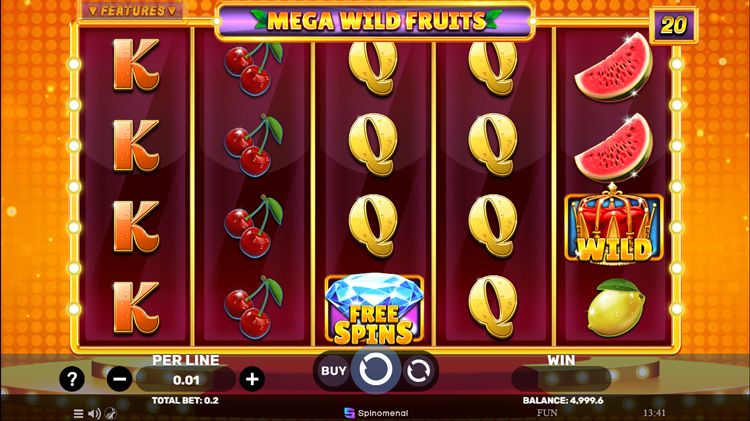
Touch Controls Create Instant Responses
Touchscreens also contribute to perceived speed.
Rather than moving a cursor towards a spin button, players simply tap the screen.
Although the time difference is measured in fractions of a second, repeating this action across dozens or hundreds of spins creates a noticeably smoother rhythm.
The interaction feels direct because there's no intermediary device such as a mouse or trackpad.
This doesn't make the slot itself faster.
It simply removes tiny delays between player actions.
Mobile Apps Are Designed for Short Sessions
Many mobile experiences are built around convenience.
Whether ordering food, checking messages or browsing websites, smartphone interactions typically happen in short bursts.
Players often carry these expectations into casino games.
Desktop sessions, meanwhile, are frequently associated with longer periods of play where users may multitask between several browser tabs or applications.
This behavioural difference can make identical games seem to operate at different speeds.
|
💡 Human perception often measures rhythm rather than actual time. A smoother sequence of actions can feel significantly faster even when each individual event takes exactly the same duration. |
Animation Speed Isn't Usually Different
Some players believe mobile versions contain shortened animations.
In reality, reputable game developers generally maintain the same animation timings across devices.
Developers optimise graphics for different screen sizes and hardware capabilities, but they aim to preserve a consistent gameplay experience.
Minor visual adjustments may include:
|
Feature |
Mobile |
Desktop |
|
Screen layout |
Simplified |
More interface elements |
|
Button placement |
Thumb-friendly |
Mouse-oriented |
|
Reel size |
Optimised for smaller displays |
Larger display area |
|
Navigation |
Minimal menus |
Expanded navigation |
|
Core game mechanics |
Identical |
Identical |
These adjustments improve usability without altering the game's mathematical model.
Device Performance Can Influence Perception
Although the game's software remains the same, the hardware running it can influence how smoothly everything appears.
Modern smartphones contain powerful processors capable of handling high-quality animations with ease.
Older desktop computers, particularly those running multiple browser tabs or background applications, may occasionally experience slower rendering or reduced frame rates.
Conversely, a high-performance gaming PC may display animations exceptionally smoothly.
The key point is that these differences relate to the device's ability to display graphics rather than the slot determining outcomes more quickly.
The result is a change in perceived responsiveness rather than actual gameplay speed.
Internet Connection Matters More Than Many Realise
Online slots constantly communicate with secure game servers.
Every spin requires data to be exchanged before the result is displayed.
If one device has a stronger or more stable internet connection, loading screens, menu transitions, and game launches may appear quicker.
For example:
- A mobile phone connected to a strong Wi-Fi network may launch a slot almost instantly.
- A desktop computer using a congested connection could experience slightly longer loading times.
- Switching from mobile data to Wi-Fi may also improve responsiveness.
These differences occur before or around gameplay rather than during the RNG process itself.
The result of each spin remains unaffected by connection speed.
Mobile vs Desktop: What Actually Changes?
The easiest way to separate perception from reality is to compare the factors that influence each experience.
|
Aspect |
Mobile |
Desktop |
Affects Game Results? |
|
RNG |
Same |
Same |
No |
|
RTP |
Same |
Same |
No |
|
Volatility |
Same |
Same |
No |
|
Game rules |
Same |
Same |
No |
|
Interface |
Simplified |
More detailed |
No |
|
Input method |
Touch |
Mouse/Keyboard |
No |
|
Perceived pace |
Often feels quicker |
Often feels steadier |
No |
As the table shows, every element that determines the outcome of a spin remains identical. The differences are centred on presentation, interaction and personal perception.
Conclusion: A Perfect Storm of Perception
Whether you prefer spinning the reels on your smartphone during a commute or enjoying a larger display at home, the choice is all about comfort and convenience—not better odds. Understanding how device design influences perception can help you focus on what really matters: choosing entertaining, high-quality slot games from a trusted casino.
Ready to experience your favourite online slots on the device that suits you best? Visit Lord Ping to explore an extensive collection of licensed online slots, exciting promotions, and a seamless gaming experience across both mobile and desktop.
Frequently Asked Questions
Is the slot game actually running faster on my phone than on my desktop?
No, the core game engine does not run faster. Licensed and regulated casinos, including platforms like Lord Ping, use the same game software from providers.
What is the single biggest factor that makes mobile play feel quicker?
On a desktop, you command an intermediary (a mouse cursor) to click. On mobile, your finger is the cursor. The physical act of tapping the spin button or swiping the reels creates a stronger kinesthetic link between your intention and the game's action.
How does screen size affect my perception of speed? It seems counterintuitive.
While a smaller screen might seem like it would show less, it actually focuses your attention more effectively, which alters time perception. On a desktop, the slot is often in a window alongside other distractions.
Does my posture or environment really make a difference?
Absolutely. Mobile play is typically associated with relaxed, informal settings: lounging on a sofa, waiting in a cafe, or during a commute. This relaxed state lowers inhibitions and promotes a more fluid, immersive experience.